Existence is not
the mystery. Experience is.
Why does anything have an inner life?
Explore consciousness, the illusion of self, and the minds we might build.
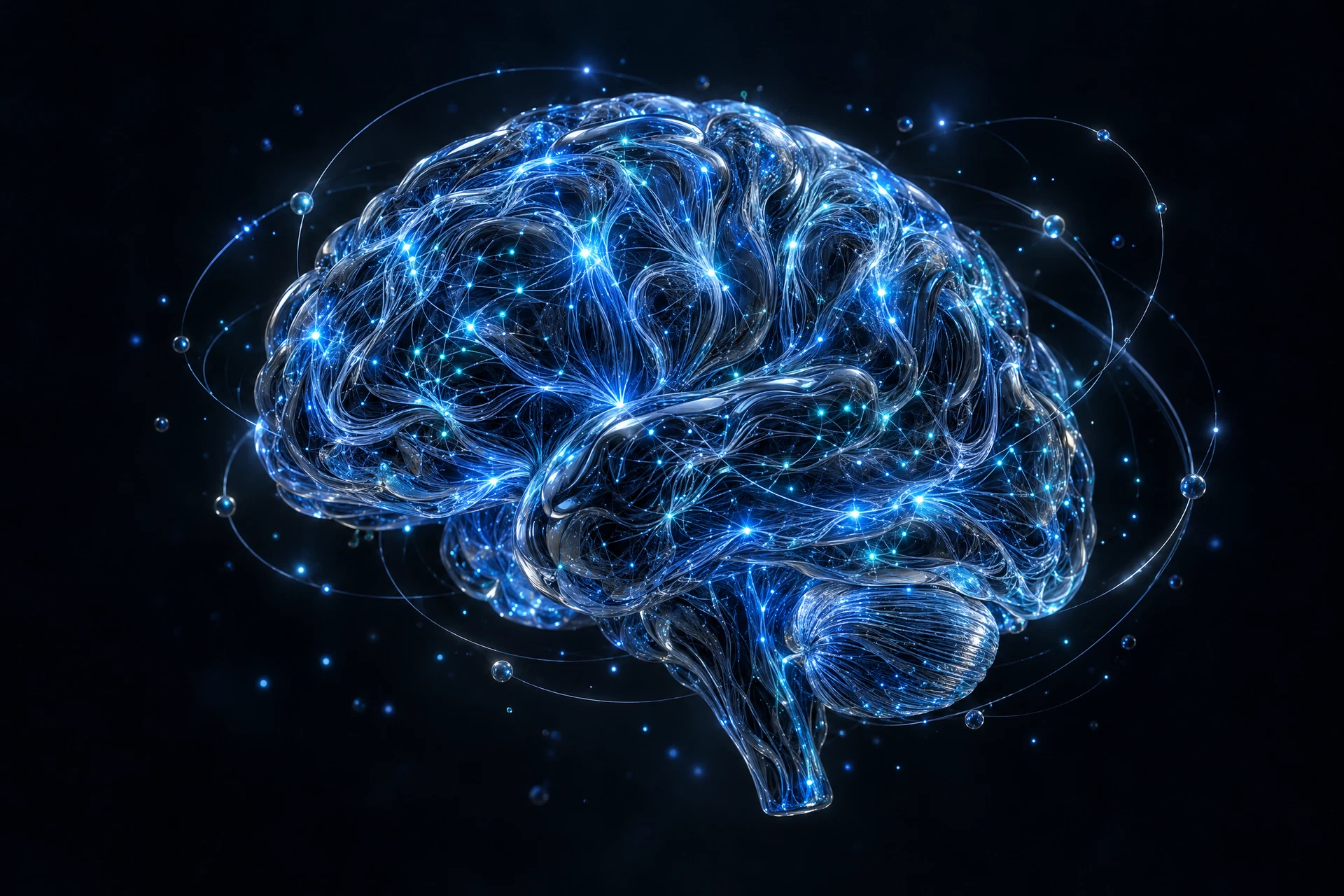
Electrical signals.
Biological tissue.
And then,
experience.
Meet the hard problem ↗You are reading these words. Light enters your eyes, triggers electrical signals, and somewhere in three pounds of biological tissue, experience happens. You don't just process information — you feel what it's like to process it. The redness of red. The sting of pain. The weight of a decision.
This is consciousness — the most familiar thing in the universe to each of us, and the least understood thing in all of science.
We can map the brain down to individual neurons. We can watch it light up in an fMRI scanner. We can model its computations. But none of this explains why there is something it is like to be a brain. Why aren't we just biological robots, processing inputs and producing outputs in the dark?
"It is not that we know what consciousness is and are trying to figure out how the brain produces it. We do not yet even have a good theory of what consciousness is." — David Chalmers
This project explores consciousness from multiple angles: the philosophical puzzle, the scientific theories, the evidence against free will, the ways consciousness can be altered, and the question of whether machines might one day be conscious too.
Follow your curiosity.
Not a prescribed path.
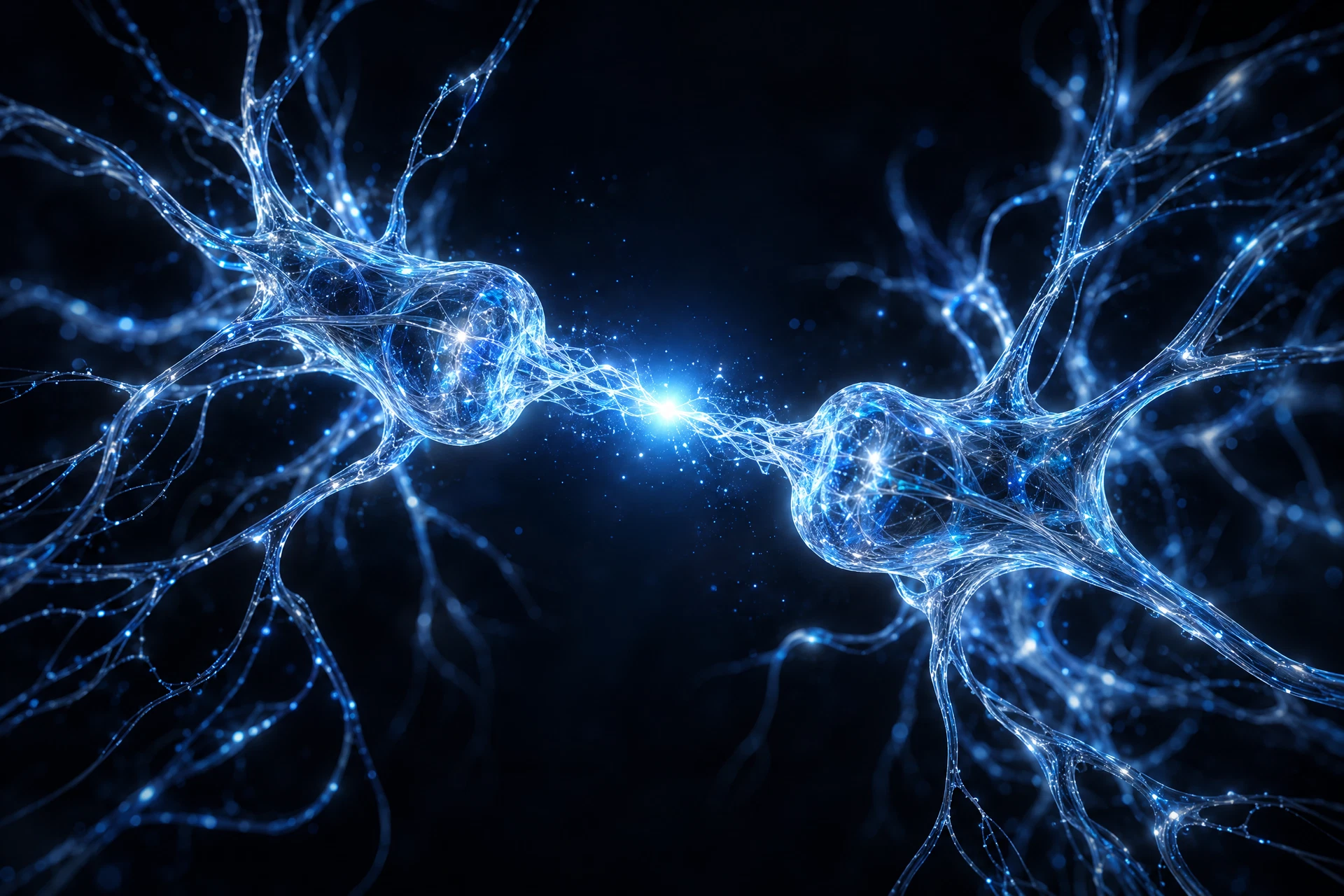
The Hard Problem
Why does subjective experience exist? What is the "explanatory gap" between brain activity and felt experience? The question that has stumped philosophers and scientists alike.

Free Will & Determinism
Identical twins who lived parallel lives without knowing each other. Brains that "decide" 10 seconds before you're aware. The neuroscience and genetics that challenge the idea you author your choices.
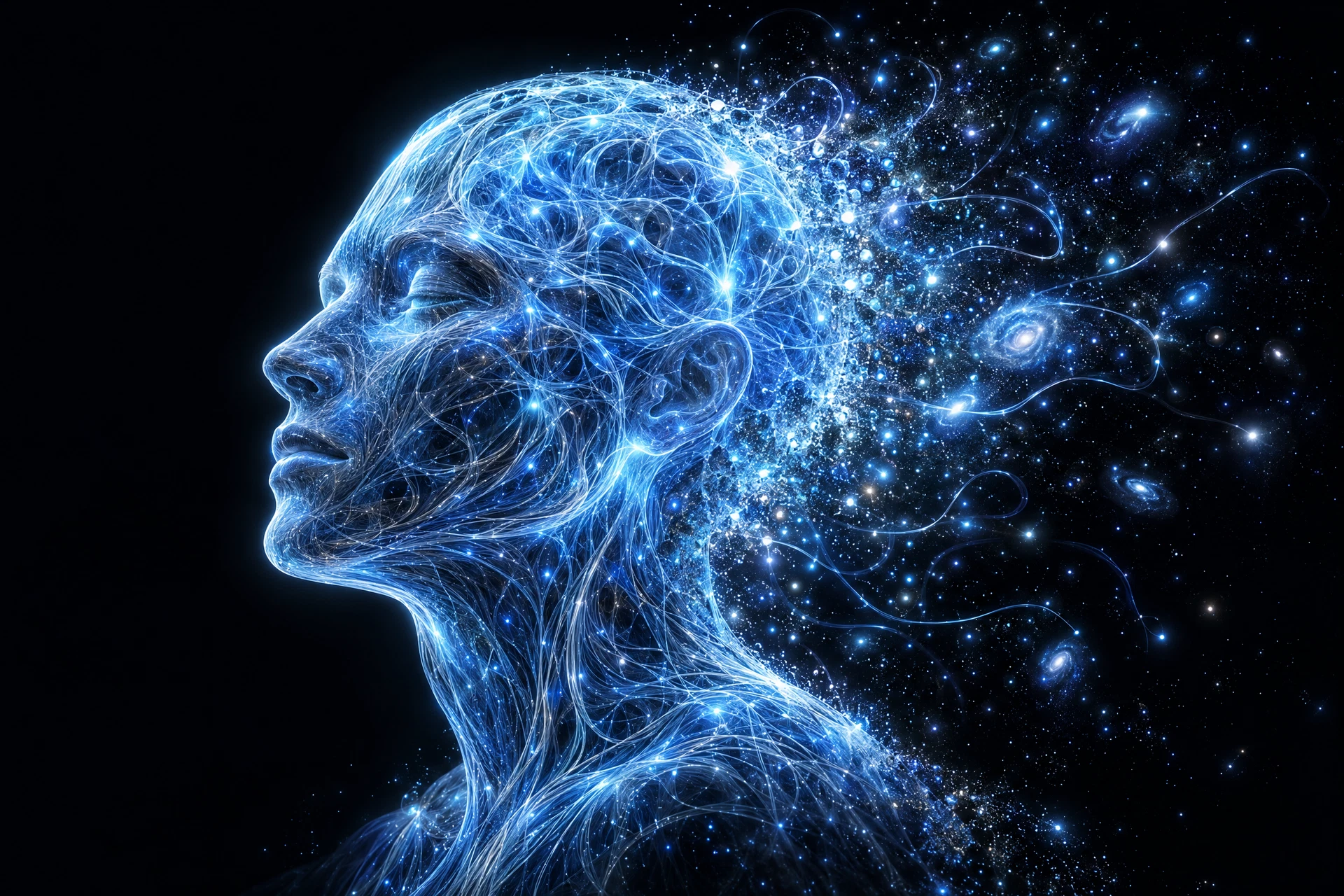
Altered States
Psychedelics, meditation, sleep, anesthesia — states that change consciousness reveal what consciousness depends on. What the Default Mode Network tells us about the self.
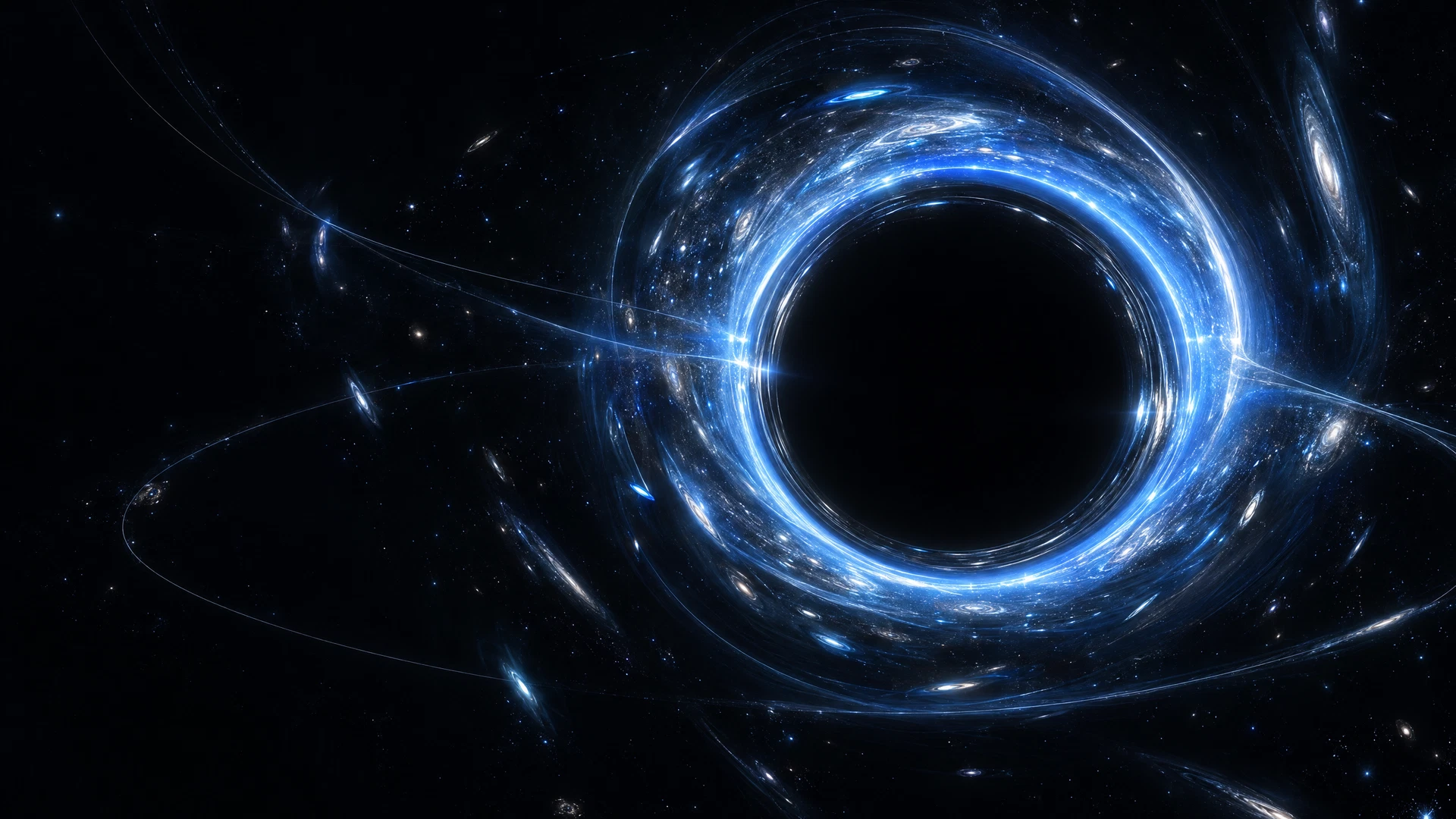
A universe that looks back.
Entropy and the arrow of time. Jung's synchronicity. Fine-tuning and the anthropic principle. Geometric Unity and the quantum observer problem. Why the universe appears built for minds.
Cosmos & Consciousness ↗
Could a machine feel this?
Can silicon be conscious? The Chinese Room, the hard problem of AI sentience, and why we may never be able to tell if a machine is truly aware.
Machine Minds ↗